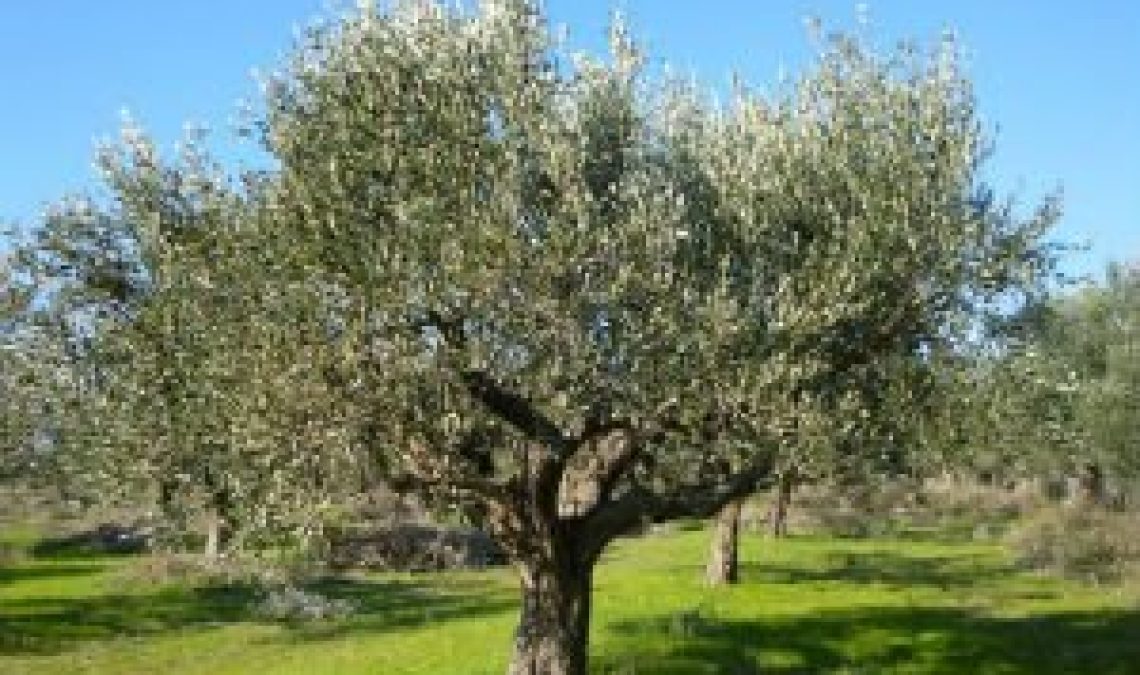
As someone who has some grafting experience, I’ve learned that nature doesn’t lie. You can’t force a union that isn’t meant to be. If the cambium layers don’t align, if the genus is wrong, the graft fails. The branch withers, and the effort is wasted. It is this physical reality that makes the biblical metaphor of the Olive Tree in Romans 11 so profound. When the Apostle Paul speaks of Gentiles—”wild olive branches”—being grafted into the “cultivated olive tree” of Israel, he is describing a biological and spiritual compatibility that defines our very existence. Romans 11:17 & part of verse 18 (NIV) 17 If some of the branches have been broken off,and you, though a wild olive shoot, have been grafted in among the others and now share in the nourishing sap from the olive root, 18 do not consider yourself to be superior to those other branches… The Shared Stock: A Common Lineage In the nursery, successful grafting requires a botanical kinship. You cannot graft an apple scion onto a pine tree; This mirrors a fundamental truth about humanity, we all have a common ancestry. Scripture tells us we are all descended from the “original stock” of Adam and Eve. Later, following the Flood, the entire human race branched out from the three sons of Noah: Shem, Ham, and Japheth. Whether we are Jew or Gentile, we share the same DNA, the same ancestors, and the same Creator. When a Gentile is “grafted in” to the spiritual heritage of Israel, it isn’t a transition between species. It is a family reunion. We are “graftable” because we are made of the same human essence, designed by the same Master Gardener to thrive on the same life-giving sap. Acts 17:26 NIV 26 From one man he made all the nations, that they should inhabit the whole earth; and he marked out their appointed times in history and the boundaries of their lands. The Mystery of the “Contrary” Graft In standard orcharding, we usually graft a high-quality scion onto a hardy, wild rootstock to give the tree better “legs.” But the Bible describes a beautiful inversion: God takes the “wild” branch (the Gentiles) and grafts it into the “cultivated” tree(Israel). This is “contrary to nature” because the wild branch doesn’t bring the quality—it receives the quality. The wild branch is invited to draw from the “rich root” of a tree that has been tended, pruned, and loved by God for millennia. Antisemitism This horticultural reality exposes the folly of antisemitism. In my experience with trees, if a grafted branch were to somehow “reject” the rootstock it sits upon, that branch would die instantly. It would cut off its own water, its own minerals, and its own life. Paul warns us explicitly: “Do not boast over those branches… You do not support the root, but the root supports you.” (Romans 11:18) Jesus’ sacrifice joins Jews and Gentiles together by breaking down the spiritual and cultural barriers that separated them, creating “one new humanity” out of the two. Conclusion: As Gentiles, we should look at the “root” of Israel with deep gratitude and humility, recognizing that we share a common ancestry in Adam, a common hope in the God of Abraham and a common saviour in the person of Jesus who is the Son of David, the root of Jesse. In God’s orchard, there is no room for the pride of the branch. Romans 11:20–21 NIV “That is true. They were broken off because of unbelief, but you stand by faith. Do not be arrogant, but be afraid. For if God did not spare the natural branches, He will certainly not spare you either.” Whether we began as a natural branch of Israel or were grafted in from the wild, we must realize that no branch generates its own life. As Paul reminds us, we ‘both have access to the Father by one Spirit’ (Ephesians 2:18). We are all nourished by a grace we did not plant and sustained by a Gardener who loves the whole tree. Ephesians 2:14-15 NIV 14 For he himself is our peace, who has made the two groups one and has destroyed the barrier, the dividing wall of hostility, 15 by setting aside in his flesh the law with its commands and regulations. His purpose was to create in himself one new humanity out of the two, thus making peace,



